Chapter 1
The True Story of Mary Magdalene
A journey through history, memory, and devotion
Mary of Magdala
To understand the woman, we begin with the world that shaped her.
Opening Movement
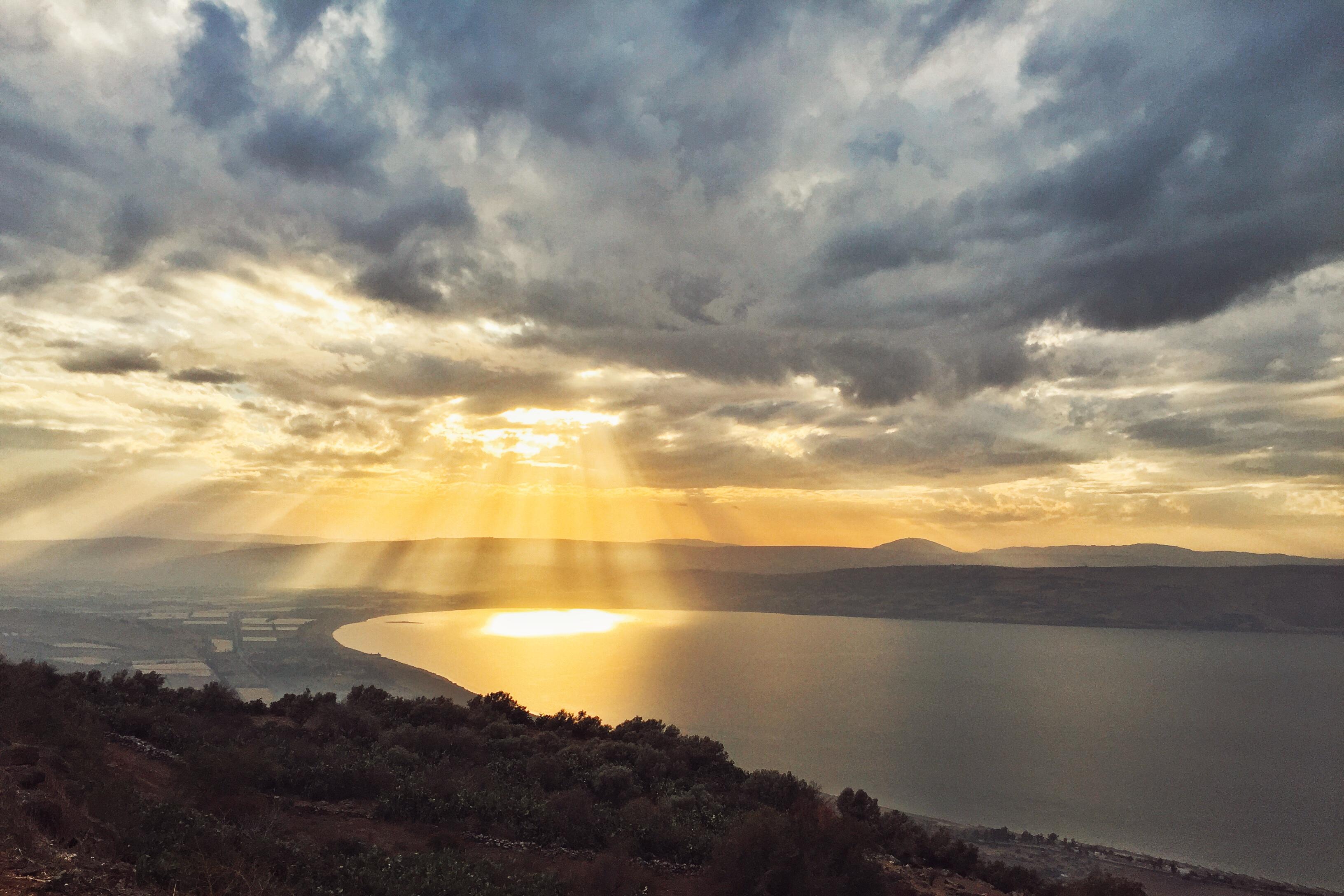
Before she was a witness, before she was a disciple, she was a woman from a real town with real dust on her sandals. To understand Mary, we must first understand Magdala.
This episode roots her story in the landscape that formed her identity.
The Ground Beneath Her Story
Mary Magdalene enters the Gospel story not with a family lineage or childhood tale, but with a place-name: Mary of Magdala. In the ancient world, that meant something. It meant your identity was tied to your shoreline, your dialect, your economy, your rhythms of life.
Yet, Mary's origins were buried in the rubble of war...
The Jewish Revolt 66 AD
In 66 AD, the First Jewish–Roman War erupted. Galilee quickly became a major battleground. Magdala sided with the Jewish rebels. Roman forces under Vespasian marched through Galilee in 67 AD, systematically crushing resistance. When the Romans reached Magdala, Josephus records a massive confrontation.
The Battle of Taricheae
According to Josephus:
- the city fell to Roman forces
- many inhabitants were killed
- thousands fled to boats on the Sea of Galilee
- Roman forces pursued them on the water
He describes the aftermath in vivid terms:
The lake was filled with blood and bodies.
Ancient historians loved dramatic language, but the message is clear: Magdala was devastated.For nearly 2000 years the exact location of biblical Magdala was uncertain.
The town that gave Mary her name vanished.
And then—just fifteen years ago—archaeology changed everything we thought we knew about her hometown.
Magdala was no quiet village. It was a Galilean port city humming with commerce and tension—fishermen hauling in the morning catch, women salting fish for export, Roman tax collectors stationed near the docks, traders moving between Galilee and the Decapolis, the ten Greek cities that served the Roman empire. A tower—magdala—likely rising above the shoreline.
This was Mary’s world: noisy, industrious, multicultural, under Roman pressure, full of movement and trade. Understanding this reframes her not as a marginal figure but as someone shaped by a cosmopolitan, economically active environment. A woman who likely had resources, mobility, and agency long before she met Jesus.
The discoveries of Magdala just 15 years ago and in 2009 paint a town of extraordinary significance. Among these discoveries which you can visit today in Israel include:
4. The Industrial Identity (Tarichaea)
In Greek, the town was known as Tarichaea, which literally means "The place where fish are salted." It was the center of a massive export industry. The salted fish from Magdala were famous enough to be sold in the markets of Rome.
The First-Century Synagogue
This is the "smoking gun" for Mary's religious grounding. It is one of only seven synagogues in the world from the Second Temple period. It features ornate mosaics and frescoes, proving the town was wealthy and influenced by Greek culture.
The Ritual Baths (Mikvaot)
Archaeologists found four ritual baths. Unlike others in Israel, these were fed by an sophisticated underground water system. This indicates a level of aristocratic wealth. This proves Mary came from a background of high status and strict Jewish observance.
The Magdala Stone
Found inside the synagogue, this is a carved stone block showing the oldest known image of the Second Temple’s Menorah. It proves that the people of Magdala were "connected" to the elite religious life of Jerusalem. When the Gospels say Jesus "went throughout all Galilee, preaching in their synagogues," this is exactly where he would have stood. Mary likely heard him in this specific building.
Many of the ruminations about Mary since the Gospels were mere opportunites to fill in the gaps and blur her most likely identity. Had the truth of Mary's origins been clear to those yet to write the story-- especially between the 2nd and 6th centuries, much of our religious doctrines, our spiritual growth, and our understanding of who Jesus was may have been very different.
And while it seems unfortunate that the mysteries around this interesting character have cultivated confusion at times, amazing claims without grounding, a whole industry of secret knowledge held tightly by the elite, at least they have kept the story alive long enough for us to remain interested so that when new, certain, evidence comes into view, we are ready to take it in.
These amazing discoveries reveal a town of faith and commerce, a place where Scripture was read daily and where families—women included—participated in the economic life of the region. Luke’s note that Mary supported Jesus “out of her resources” suddenly makes perfect sense where before 2009, it may not have.
This new Mary was likely a wealthy businesswoman or widow and provided the means necessary to support a group of 13+ as they travelled the countryside for more than three years during the ministry of Jesus Christ. That now is an easy claim of truth.
Some of the discoveries yet to come in this series may shed some LIGHT on just what those "resources" may have been.
But first, Mary must prepare her heart for what is to come. Next week we battle the seven demons.
... and you may well be surprised at what I have to say.